

Dijon
From the BRICK archives: we revisit our Edition 07 cover profile with a true original.
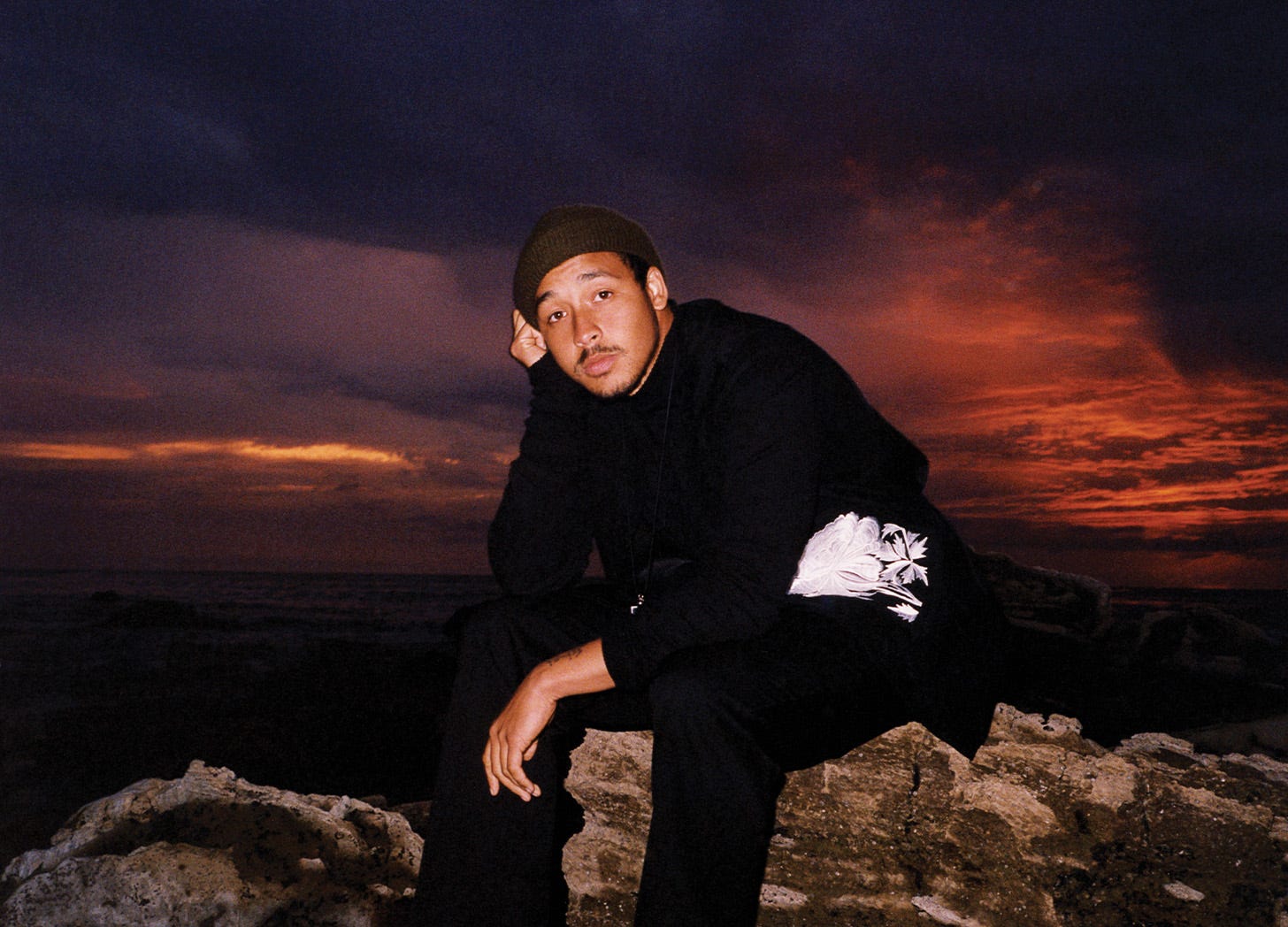
Photography by Lindsay Ellary
Words by Bianca Betancourt
Fashion by Jordan Boothe
As we get acquainted across a tinny Facetime connection from Chicago to L.A., I ask Dijon Duenas what he thinks of being called one of “the next big things” in music. Without hesitation, the 26-year-old singer-songwriter replies simply; “it’s horrible”.
It’s evident from the bashful laughter that follows his statement that he realizes how silly it sounds to say out loud, but since his departure from his initial stint as the vocalist of R&B duo Abhi/Dijon and with the release of his first solo EP, Sci Fi 1, Dijon has been unofficially anointed as the latest indie music darling.
It’s not hard to see why. And while acclaim has been widespread, it’s difficult to find consensus on where exactly Dijon’s work fits into landscape of genres that comprise contemporary music. Indeed, his own Soundcloud page runs a broad gamut by his own self-tagged classifications; a string of releases from 2018 are listed as Country, R&B, Soul and Techno. The one tag that seems to have stuck, however, is Americana.
“That started off as a joke,” he admits, when I mention the Americana label. His music has the folkloric guitar strum and melodic humming we’ve come to recognize as the base of classic American music. The twist is that it’s a millennial brown boy composing the work, and it’s not his own musical output that he views as Americana, but rather the entirety of the music that influenced and defined his adolescence. “I felt like the most American person in the world, because I grew up on specifically American R&B and rap - it's something that could only exist here. It's a part of the American experience. I just always thought of the phrase ‘Americana’ because I think that black music and things like that are the most American.”
For Dijon, his composition choice of bare boned lyrics and stripped-back guitar is solely because it’s the way that makes the most sense for him to express himself at the moment. Sometimes the grit in his controlled belting (like in the smooth and sultry track “Drunk”) shows shades of Prince. More monotone moments, like the EP’s opening track “Lace”, calls to mind the more minimal side of Frank Ocean, with his painfully honest yet mellow rap delivery.
Dijon credits the blunt and biographical composition of his work to being raised listening to the raw lyricism of hip-hop. “Growing up on rap, it's quite an intimate thing if you step back from it and distance yourself from the general idea of what we think it is. It’s kind of someone just talking to you, and I think that is probably forever embedded in me,” he explains. “I don’t necessarily seek out that intimacy in my music, this is just the only way I'd ever do it.”
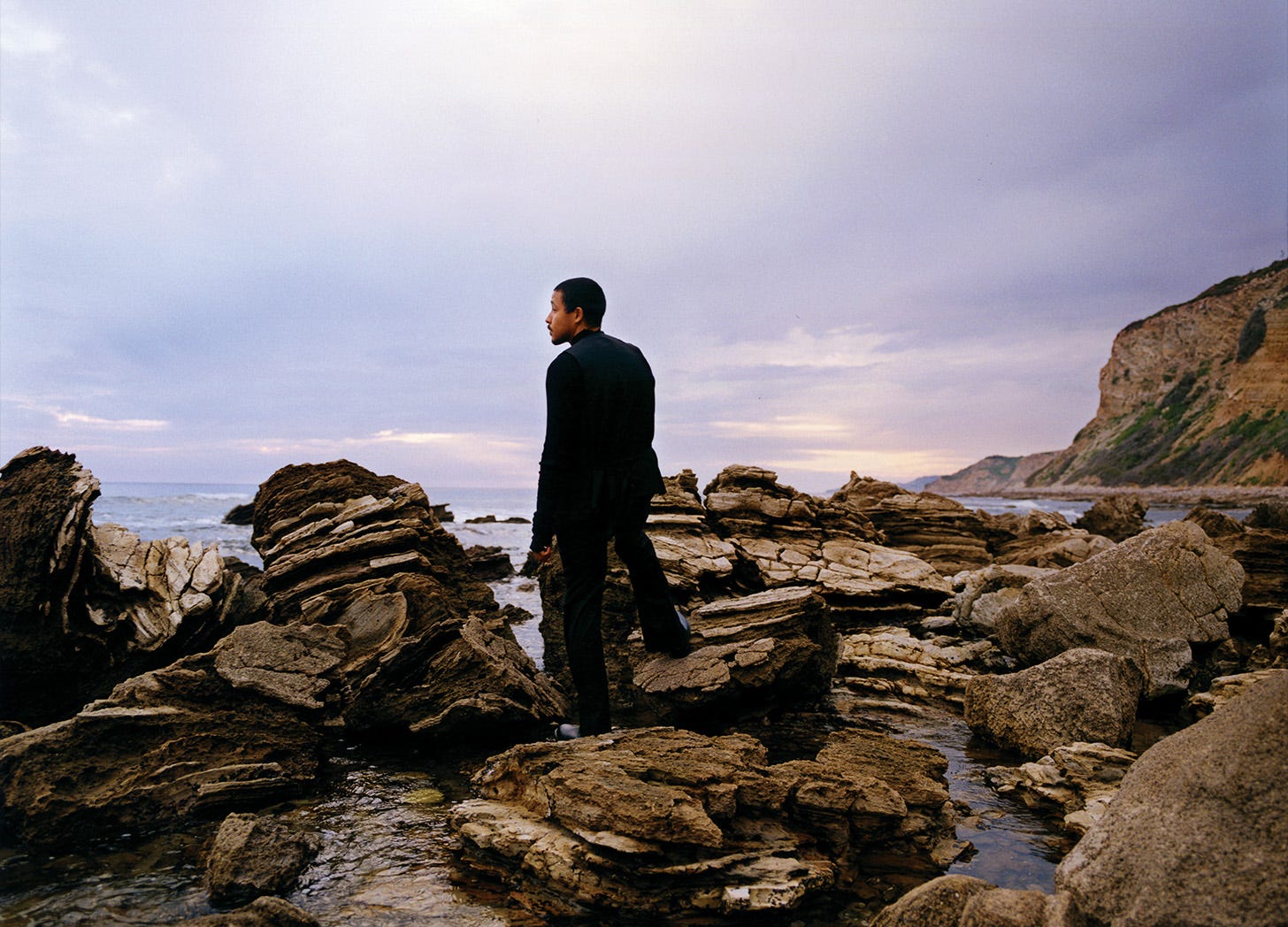
Although many of his inspirations stem from rap and R&B, he doesn’t view himself or his music as obvious children of these influences, specifically citing the inauthenticity in the braggadocio of artist’s words as something he is consciously railing against: “The way R&B music works sometimes is that it's so effortlessly cool, but I'm not a cool person. I don’t feel the need to posture as sexy or fun. I do feel like there's a little bit of a sham in music and this false intimacy that people have with an artist. Maybe the artist isn't as open or as accessible as the music suggests, and I’m trying my best to find a way to actually do that,” he says, acknowledging that “I'm sometimes the worst person in the world, sometimes I'm the sleaziest person in the world, sometimes I’m an OK person. I think that was my goal with the record, to try my best to just continue to chip away at the membrane between artist and audience. I don’t want to be cool, I don’t want to be sexy, I just want to be a guy.”
Dijon’s lyrics display a maturity beyond his years. The new EP’s tracks deal with a very personal subject matter, derived from the end of a years-long relationship of Dijon’s, combined with the experience of moving across the country from Maryland to Los Angeles to pursue music full time.
“The story of the EP was the guilt and the shame that you feel [post-breakup] and trying to reckon with the decisions you make as a person and what they do,” he tells me. “It’s a little bit of contempt, and a little sad.”
But rather than feeling a sadness when listening to the EP, the project’s lasting impression is one of bittersweet warmth and nostalgia. SCI FI 1 sounds like how memories feel — solemn yet soothing. It has become a hallmark of his work, the ability to conjure images so vivid and detailed that it feels like examining an old photo album; a motif explored most literally in 2018’s “Nico’s Red Truck,” where a re-discovered photograph, “all faded and bunched,” leads the singer to reminisce on a series of scenes from adolescence. That retrospective angle is present throughout SCI FI 1, processing past experiences in order to move on to whatever comes next, but also, always there for when you want to remember.
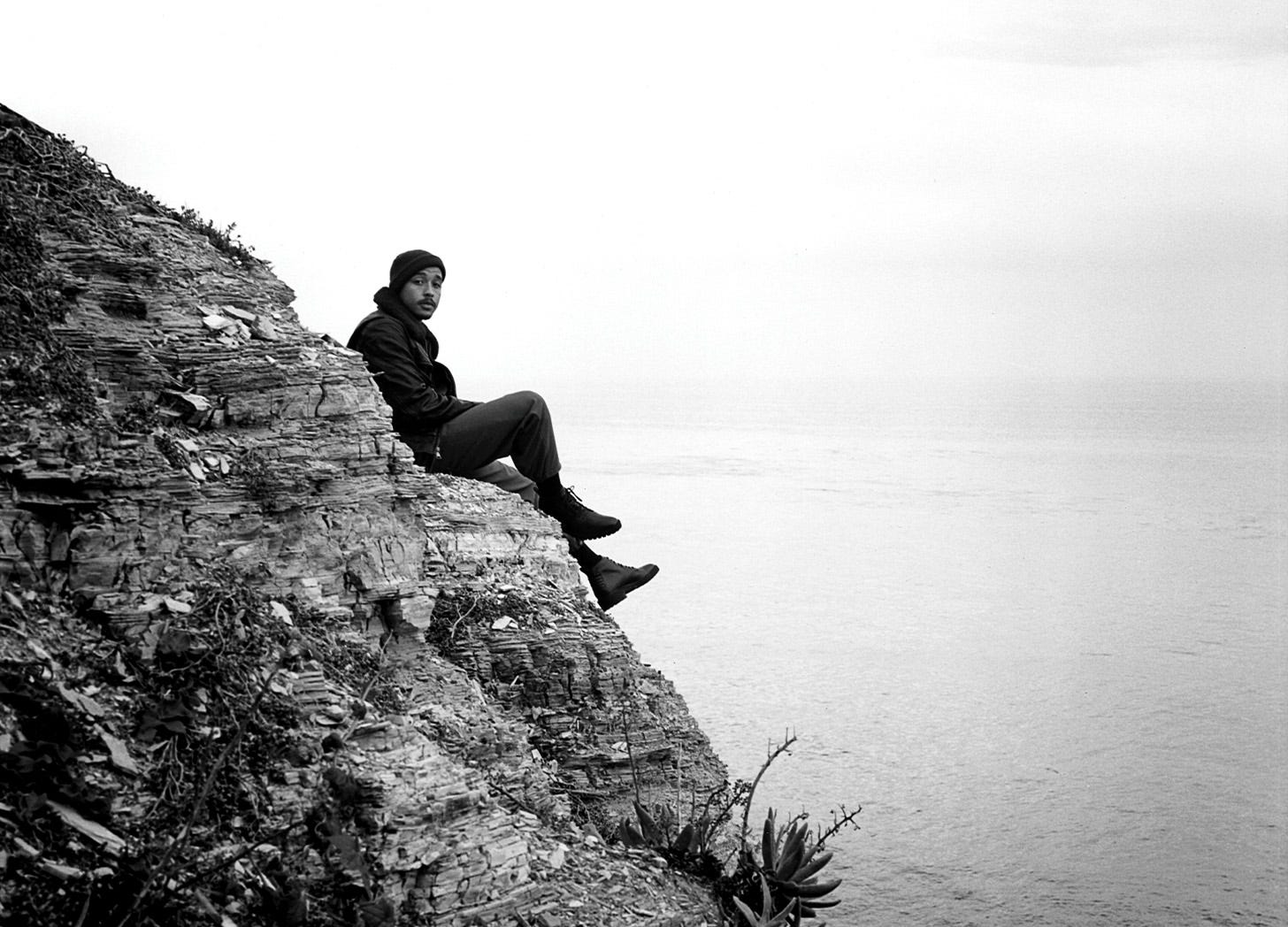
With such personal and intimate sensibilities running through his catalogue, it’s a surprise when he tells me that his “favorite genres of music are decidedly anonymous—I’m a really big house music fan, I'm a really big fan of industrial music. But I never felt like I had much of a capability to express things in those worlds.” Pausing for thought, he goes on to explain that “I think that’s why [the music] comes off as really personal and intense—which is fine, I have no problem with that, I love that. I wish I could make aggressive techno but it's the only way I can do it.”
When it comes to the pressure of proving himself as a musician, the only competition Dijon considers is himself. He sees no point in comparing himself to equally as talented artists who have completely different musical goals. His goal is to make meaningful work—music with intention. He hints that his upcoming, and already sold-out, tour and in-the-works music will better reflect this mission as an artist.
“I don’t necessarily feel the pressure to compete with the idea of what I could be. Tomorrow somebody else will be really good, and that doesn't concern me,” he states. “The pressure comes from being able to be a musician, to make music as a living and also ensure that I make music that I'm proud of and that I'm challenged by.” It’s a characteristically contemplative approach from the 26-year-old, and one which looks set to propel him to new creative heights in the years ahead. “I just want to make something new and fresh, and touching and warm for people. I lose a lot of sleep over it. It's hard to do, but I’m confident I can do it.”

This story was originally published in BRICK Edition 07, released in 2019.
That issue is now sold out, but to make sure you don’t miss any future issues,
join our paid tier on Substack and get every issue sent direct to your door.
Plus, get a free back issue as your welcome gift while stocks last.